





History of Clan MacQueen

The Faithful Guardians: History of Clan MacQueen
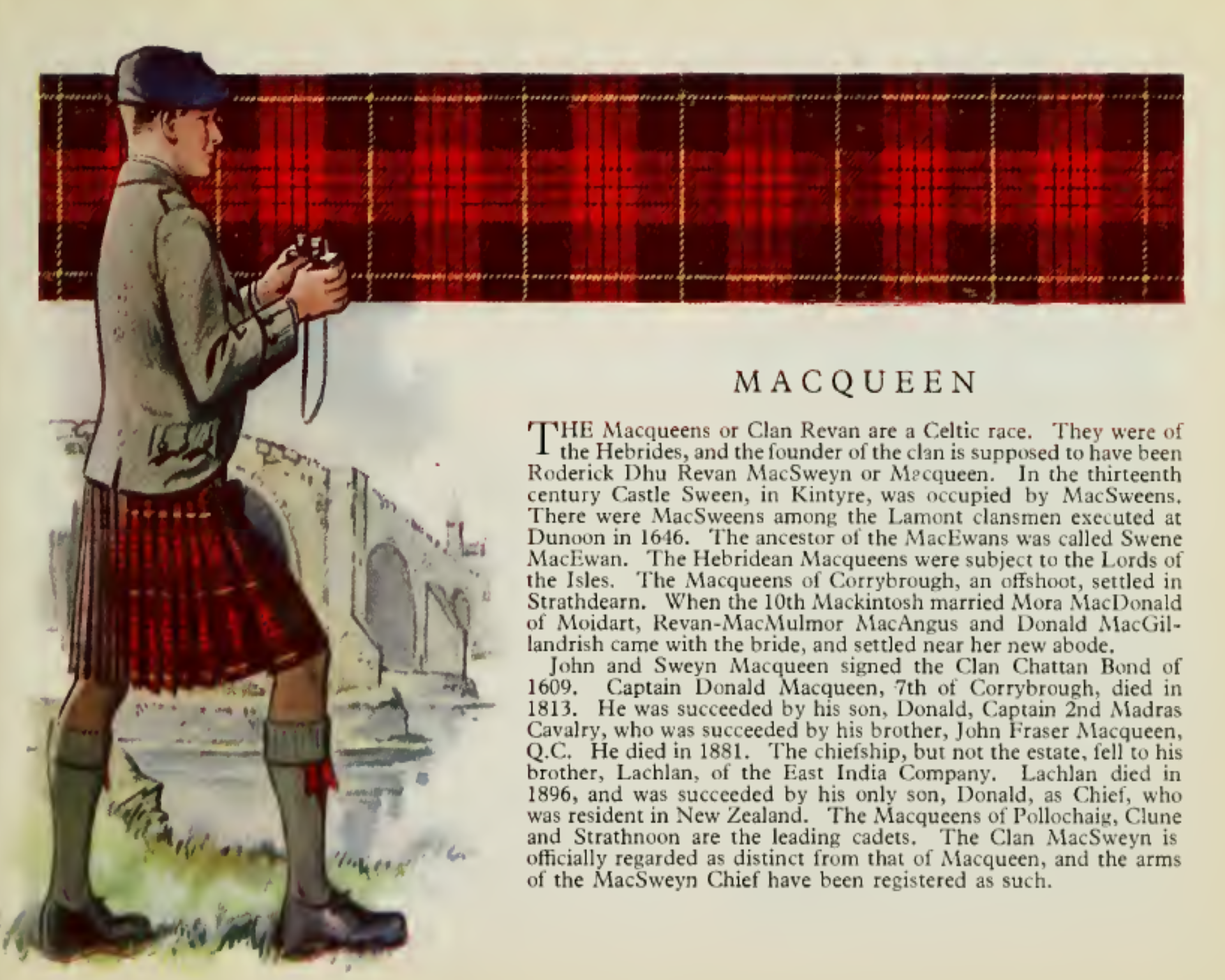
Clan MacQueen (Gaelic: MacSuibhne or MacSween) translates to "Son of Sweyn," a name of Norse origin implying "Prince" or "Young Man." The clan has two distinct geographic roots: one in the Hebrides allied with Clan Donald, and one on the mainland as a principal sept of the Chattan Confederation. The clan is also linked to the ancient MacSweens who held Castle Sween in Argyll, the oldest stone castle in Scotland, suggesting a lineage that stretches back to the High Kings of Ireland and the Norse rulers of the Isles.
Clan Revan and the Chattan Confederation
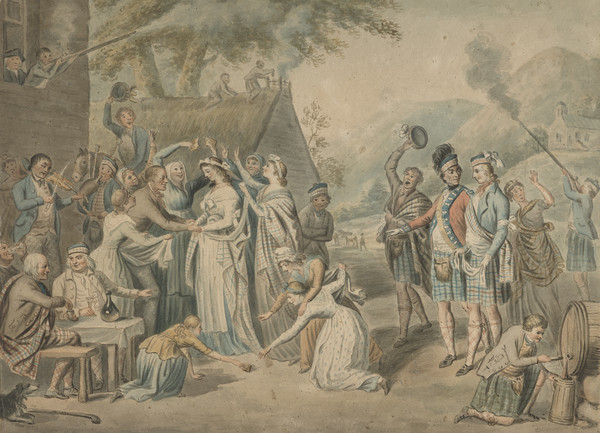
The mainland branch, known as Clan Revan, has a romantic origin story. Tradition states that when a daughter of the Chief of Clan Ranald (MacDonald) married the Chief of Clan Mackintosh (leader of Clan Chattan), she was accompanied by a retinue of MacQueen clansmen as her honor guard. These warriors did not return to the west but settled around the Findhorn Valley under the protection of the Mackintosh. They prospered in this region, eventually acquiring the lands of Corrybrough. They became fiercely loyal members of the Chattan Confederation, known for their reliability and martial strength.
The Hebridean Branch and Dr. Johnson
In the Hebrides, particularly on Skye and Lewis, the MacQueens remained close allies of Clan Donald. The Chief of MacDonald of Sleat famously stated in 1778 that he believed his family "owed their existence" to the MacQueens. This branch produced the clan’s most intellectual figure: the Rev. Donald MacQueen of Snizort. A man of immense learning, he impressed the famous English writer Dr. Samuel Johnson during his tour of the Hebrides in 1773. Johnson described him as "the most intelligent man in Skye," a testament to the clan's cultural contribution to the Isles.

The Hanging Judge
Not all MacQueens were men of the cloth. The clan also produced one of the most feared figures in Scottish legal history: Robert MacQueen, Lord Braxfield (1722–1799). Known as the "Hanging Judge," he was notorious for his brutal sentences and his coarse, dark humor in the courtroom. He treated Jacobite sympathizers and radicals with utter disdain, famously telling a defendant who pleaded that Jesus was also a reformer: "Muckle he made o' that; he was hanget."

Dispersal and Modern Legacy
By the late 18th century, the fortunes of the MacQueen chiefs at Corrybrough began to decline due to debt. The Chief is believed to have emigrated to New Zealand, and the estate was lost. Today, the clan is armigerous (without a confirmed Chief), but the spirit of the family survives. Through the Clan Chattan Association, MacQueens worldwide maintain their bonds. Their crest, a heraldic tyger holding an arrow, and their motto Constant and Faithful, reflect a history of service to their allies, whether they were guarding a bride or defending a King.