





History of Clan MacTavish

The Children of Thomas: History of Clan MacTavish
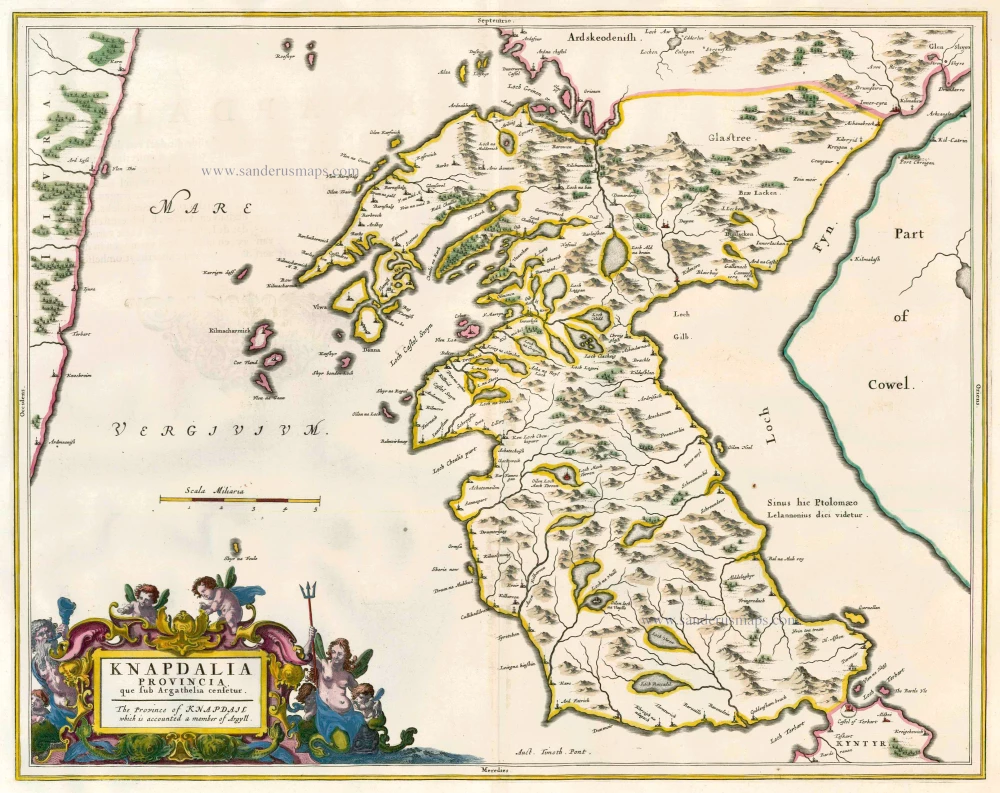
Clan MacTavish (Gaelic: Clann MacTamhais) translates to "Children of Thomas," derived from the Gaelic Tàmhas. While they were historically allied with the Campbells, the MacTavishes are a distinct and ancient clan, not merely a sept. Their origins are believed to trace back to the Boar Kings of Ireland and the ancient Pictish nobility. The clan’s historic seat was Dunardry (Dùn Àrd-Rìgh), meaning "Fort of the High King," located in Knapdale, Argyll. Historical records suggest the MacTavishes may have settled at Dunardry as early as 893 AD, centuries before many of their neighbors arrived in the region.
Flodden and the Civil Wars
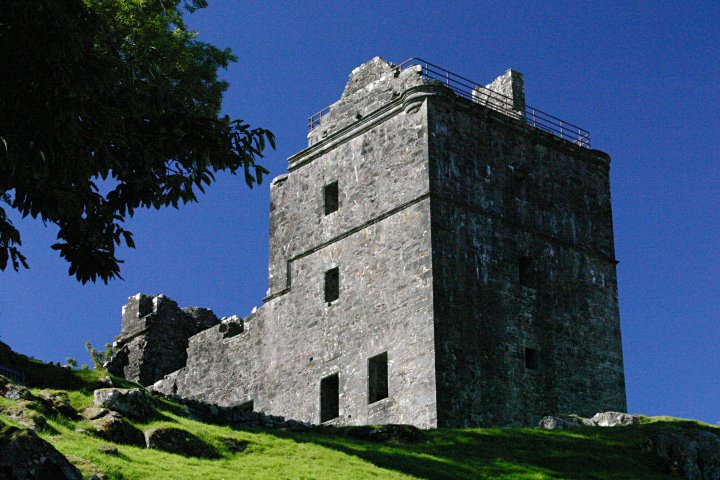
The MacTavishes have a history of sacrifice for the Scottish Crown. In 1513, the clan suffered a devastating blow at the Battle of Flodden, where the Chief, Duncan MacTavish, and his heir were both killed fighting alongside King James IV. During the 17th century, the clan was embroiled in the religious and civil wars of Scotland. In 1685, during Argyll's Rising, the clan faced tragedy at the siege of Carnasserie Castle. After the castle surrendered, young Dugald MacTavish, the heir of Dunardry, was executed by Royalist forces—hanged within "bow draught" of the castle walls.
The Jacobite Risings and Imprisonment
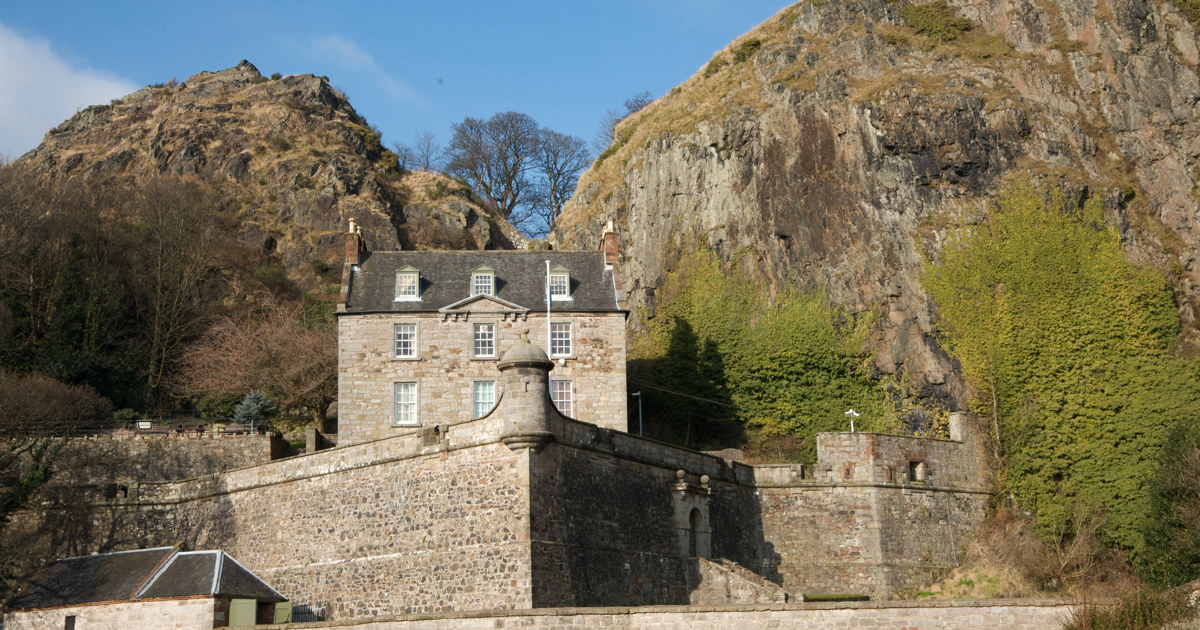
During the Jacobite Rising of 1745, the MacTavishes were sympathetic to the Stuart cause. However, they were prevented from rising as a unified clan. The Chief, Archibald MacTavish, and his son Dugald were betrayed by a letter intercepted by government forces. They were imprisoned in Dumbarton Castle in September 1745, removing the clan's leadership before they could join Bonnie Prince Charlie. While this imprisonment prevented them from fighting at Culloden, it ironically saved the clan estates from forfeiture. In the aftermath of the Rising, many clansmen changed their names to Thomson or Thompson to avoid persecution and blend into the Lowland population.
The Loss of Dunardry and the Fur Trade
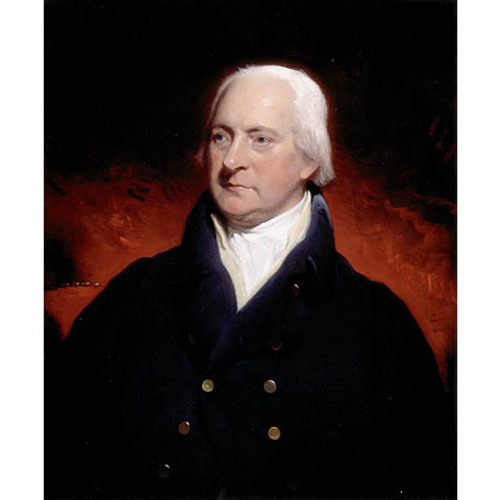
By 1785, financial difficulties forced the 18th Chief, Lachlan MacTavish, to sell the ancient estate of Dunardry at public auction. The family moved to Edinburgh and eventually to Canada. Interestingly, the estate was briefly purchased in 1797 by Simon McTavish of Montreal. Born of a different branch, Simon was one of the wealthiest men in North America and a founding partner of the North West Company, dominating the Canadian fur trade. He hoped to restore the clan's glory, but upon his death, the lands were sold again.
Dormancy and Revival
For nearly 200 years, the Chiefship lay dormant as the line lived in Canada, serving as Governors of Rupert’s Land but failing to register their arms in Scotland. The silence was broken in 1997, when the Lord Lyon King of Arms officially recognized Edward Stewart Dugald MacTavish of Dunardry as the 26th Chief, ending the dormancy. Today, the clan is led by Steven Edward Dugald MacTavish, 27th Chief. The clan crest, a boar’s head, and their motto Non Oblitus ("Not Forgotten") serve as a powerful reminder that despite centuries of struggle and migration, the MacTavishes remain a proud and distinct Highland family.